Why does well water need a different approach?
A private well is not monitored like a public utility supply. The homeowner is responsible for the wellhead, pump, pressure tank, storage, plumbing, testing, treatment, and maintenance.
Color, taste, and odor alone cannot tell you whether the water is safe or which equipment to buy. Start with an appropriate laboratory test and inspect the well and plumbing system.
What should be checked before choosing equipment?
A well-water plan starts here


- Microbial indicators. Review coliform and E. coli results and follow local testing guidance.
- Water chemistry. Check hardness, iron, manganese, pH, nitrate, sulfur-related conditions, and other local concerns.
- Physical conditions. Measure turbidity, sediment load, pump flow, pressure, pipe size, storage, and peak household demand.
What is a practical order for treatment?
Use lab results and inspect the wellhead, storage, pump, pressure tank, and recent site events.
Iron, manganese, sulfur, pH, nitrate, and hardness require equipment chosen for the actual result. The products shown here are not designed to handle every one of these problems.
Use particle control and finer filtration as needed so downstream equipment receives suitable water.
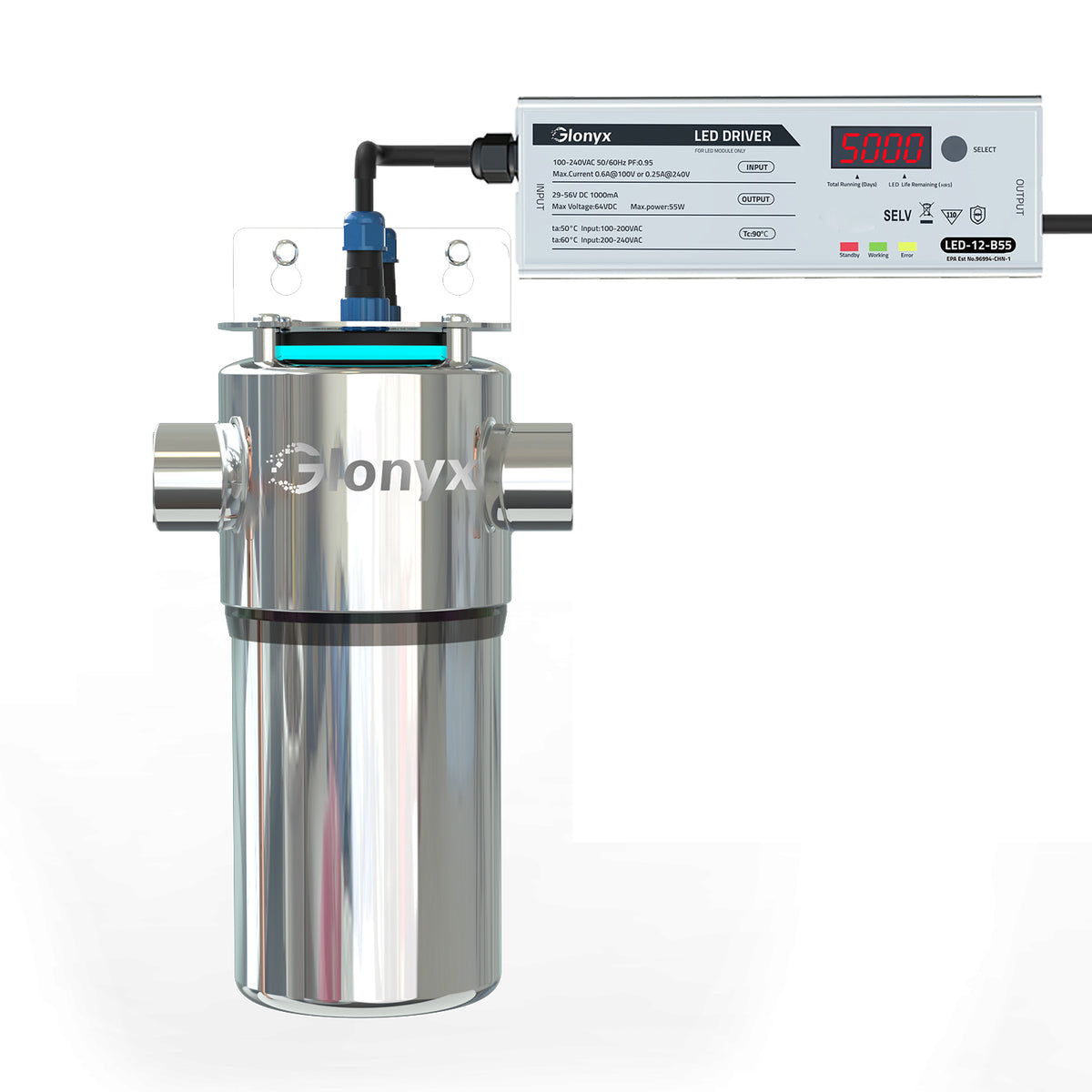
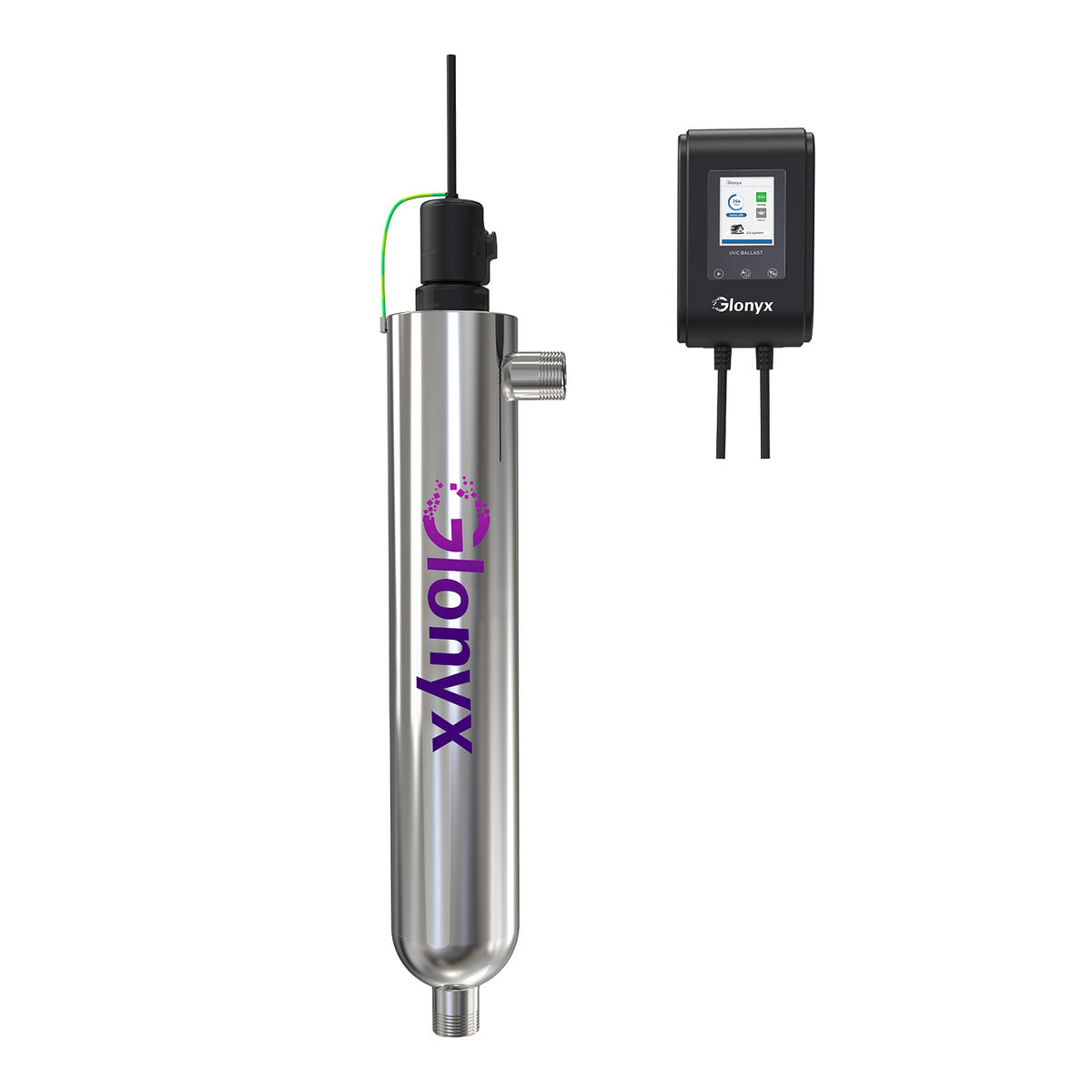
Place UV after the needed pretreatment, size it for peak flow, and maintain the exact model as directed.

UV is normally the final treatment step
UV needs clear water, correct flow, proper installation, and regular maintenance. It cannot make up for untreated sediment, turbidity, iron, scale buildup, or the wrong system size.
Testing comes first
Do not design a well-water system from color, taste, or odor alone.
Peak flow sets the size
Use actual simultaneous demand, pump capacity, pressure, and the model’s listed operating conditions.
Retest after major events
Flooding, repairs, contamination concerns, or treatment changes may call for follow-up testing under local guidance.
Send us your well test before ordering
Share the lab report, well and storage information, pump flow, pressure, pipe size, peak demand, current equipment, and installation photos.
Review My ResultsFrequently asked questions
Is UV enough for well water?
Not automatically. The water must be tested, properly pretreated, and within the flow and water conditions listed for the UV model.
How often should a private well be tested?
Follow local guidance based on your well, previous results, household risk, and recent events. Retest after flooding, repairs, sudden changes, or a suspected contamination event.
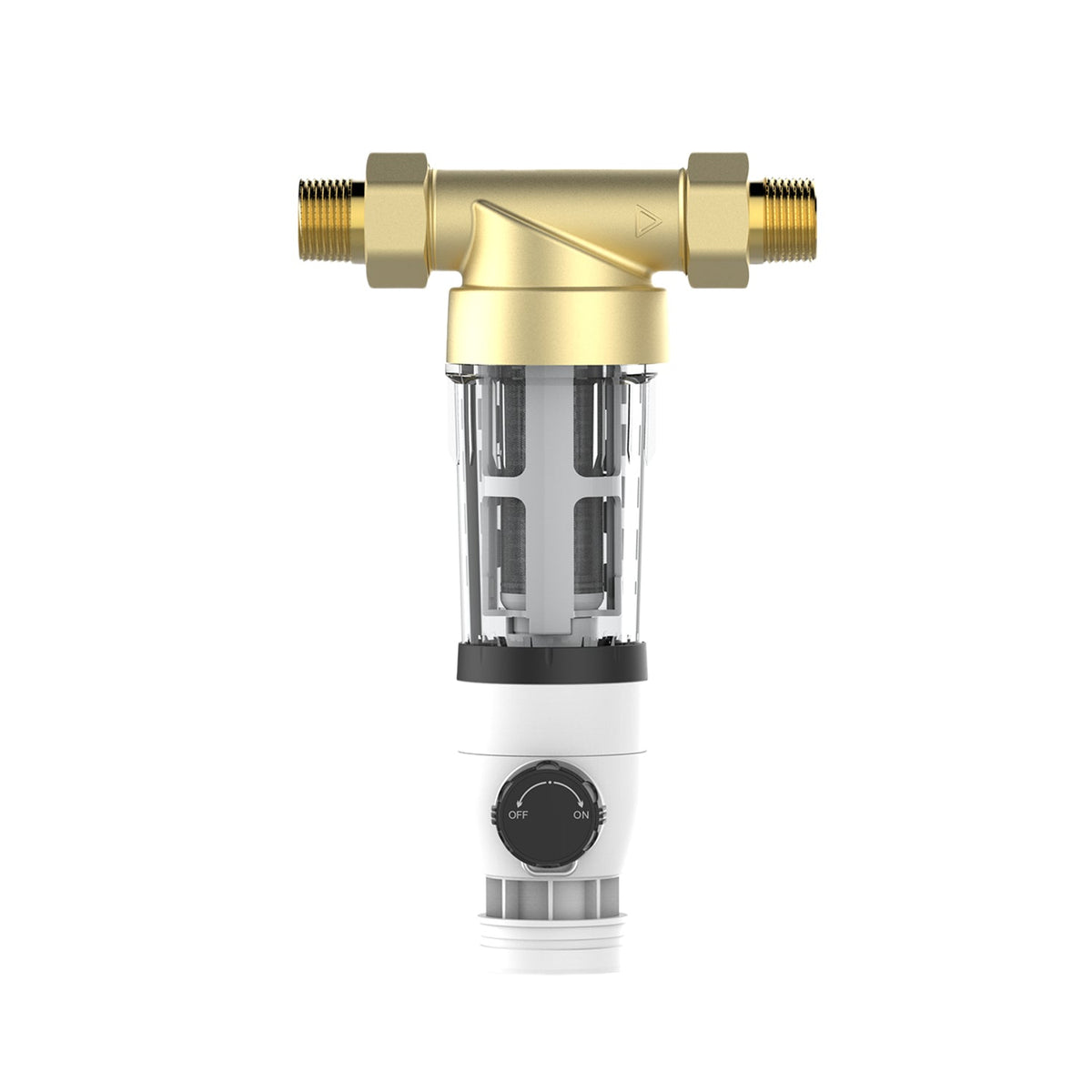
Can GX-SP-02 remove dissolved iron or manganese?
No. It catches larger visible particles but does not claim treatment of dissolved iron or manganese.
Can the products shown here treat nitrate, sulfur, pH, or dissolved iron?
No claim is made for those concerns. They require testing and separate equipment chosen for the actual water chemistry.
A storefront guide cannot confirm that private well water is safe. Use appropriate laboratory testing, local guidance, plumbing codes, and qualified installation.